

Choosing social media platforms for business can feel like guesswork. Everyone says “be on TikTok,” “don’t ignore LinkedIn,” “Instagram is over,” and you’re left trying to post everywhere with no real plan.
The result is predictable: thin content, low engagement, and no idea which channel actually drives leads or sales.
This guide walks through how to choose the best social media platform for your business, whether you’re B2B, B2C, or a bit of both. You’ll see how Facebook, Instagram, LinkedIn and TikTok fit into a practical social media strategy for business, with examples for UK small businesses and clear next steps.
What’s changed
Social media used to be “pick Facebook, post now and then, job done.” That’s gone.
In the UK, an estimated 56.2 million people now use social media and the average user is active on more than six platforms.
For small businesses, a few big shifts matter:
- People mix channels constantly – they might discover you on TikTok, research you on Instagram, check credibility on LinkedIn or Google, then convert via your website.
- B2B buyers also live on social – many decision-makers use social media during their buying process, and B2B marketers rank social as one of their most effective channels.
- Social now directly drives sales – a growing share of UK consumers have already bought via social platforms, with social commerce growing fast.
Key points:
- Your audience is on multiple platforms, but not for the same reasons.
- The “best social media platform” depends on your goals, content, and buyer journey.
- B2B social media marketing and B2C social media marketing need different emphasis, even if they share some channels.
- You can’t treat all social media platforms for business as interchangeable anymore.
For a paid ads view across Facebook, Instagram and LinkedIn, see Bazuru’s “A Beginner’s Guide to Social Media Advertising (Facebook, Instagram, LinkedIn)”.
Why it matters for local businesses
For UK small businesses, social media isn’t “just awareness” anymore. It’s a core part of how people discover, compare and choose.
Some reports suggest that around a quarter of UK small businesses now see social media as a main driver of sales.
For local B2B and B2C brands this means:
- If you’re absent or inconsistent on the platforms your buyers trust, you look smaller than you are.
- If you spread yourself across too many channels, your content becomes weak everywhere.
- If you don’t link social activity back to your website, you struggle to turn attention into leads.
Done well, choosing the right social media channels for small businesses can:
- Support local SEO and brand searches.
- Shorten the time from “never heard of you” to “ready to enquire”.
- Give you first-party data you can reuse in email, remarketing and CRM.
For help turning that into a plan, see Bazuru’s digital marketing and social media management services:
Digital marketing services
Social media management
Key points:
- Picking platforms is a strategic choice, not a popularity contest.
- The wrong mix wastes time and ad spend.
- The right mix gives you compounding visibility and cheaper leads.
What to do this week
Instead of asking “which social media platform is right for my business?” in the abstract, run a quick, structured review.
Step 1: Clarify your business type and goal
Instead of asking “which social media platform is right for my business?” in the abstract, run a quick, structured review.
- B2B: longer sales cycles, more stakeholders, higher deal values.
- B2C: faster decisions, impulse buys, higher focus on visuals and emotion.
Write one main goal for social, such as:
- Generate qualified B2B leads.
- Increase local bookings.
- Grow ecommerce sales from repeat buyers.
Step 2: Map your audience and journey
- Who decides, who influences, who pays?
- Where do they hang out when they’re not thinking about your product?
- What questions or doubts do they have at each stage?
Step 3: Use a simple platform short-list
For most UK small businesses, start by short-listing:
- Facebook for business – broad reach, strong for local awareness, events and groups.
- Instagram for business – visual storytelling and product showcasing, strong for B2C brands.
- LinkedIn for business – ideal for B2B social media marketing and professional services.
- TikTok for business – high reach and discovery for B2C brands, creators and product-led businesses.
Step 4: Pick roles, not favourites
Give each platform a clear job in your customer journey:
- Discovery – TikTok, Instagram Reels.
- Consideration – Instagram grid, Facebook page, LinkedIn page and personal profiles.
- Trust – LinkedIn posts, case studies, reviews and user-generated content.
- Conversion – ad campaigns that push to landing pages, offers and lead forms.
Tie this into your wider content and SEO using Bazuru’s guides:
Key points:
- Start with one primary platform and one support channel.
- Don’t pick more platforms than you can post on weekly.
- Make each platform serve a specific stage of the customer journey.

Platform comparison: B2B vs B2C
Here’s a social media platform comparison for businesses by channel.
Facebook for business
Good for:
- Local B2C businesses: trades, hospitality, leisure, events.
- Community building in groups.
- Retargeting website visitors and email lists.
Less ideal for:
- Purely enterprise B2B lead generation without a local angle.
Instagram for business
Good for:
- B2C brands where visuals matter: retail, food, beauty, interiors, travel.
- Storytelling, before/after content, user-generated content and influencer work.
- Younger to mid-age demographics who browse visually.
Less ideal for:
- Complex, multi-stakeholder B2B deals where depth of information matters more.
LinkedIn for business
Good for:
- B2B social media marketing, especially services, software, training and consultancy.
- Personal branding for founders and sales teams.
- Account-based marketing and lead generation.
LinkedIn is consistently rated as one of the most valuable social platforms for B2B marketers.
Less ideal for:
- Low-ticket B2C offers where people are in “off-duty” mode.
TikTok for business
Good for:
- B2C brands that can show value quickly through video.
- Product demos, behind-the-scenes content and personality-led storytelling.
- Social commerce and impulse purchases, especially for younger audiences.
Surveys and platform data show a growing share of UK consumers planning to buy through social platforms such as TikTok Shop.
Less ideal for:
- Niche B2B sectors where buyers spend little time on TikTok or content is highly technical.
Key points:
- The best social media platforms for B2B companies usually centre on LinkedIn plus Facebook or YouTube.
- The best social media platforms for B2C brands often mix Instagram and TikTok with supporting Facebook activity.
- For many UK small businesses, two strong channels beat four weak ones.
For deeper ideas on building community, see “Strategies for Building a Strong Community on Social Media”
Mark up facts and data
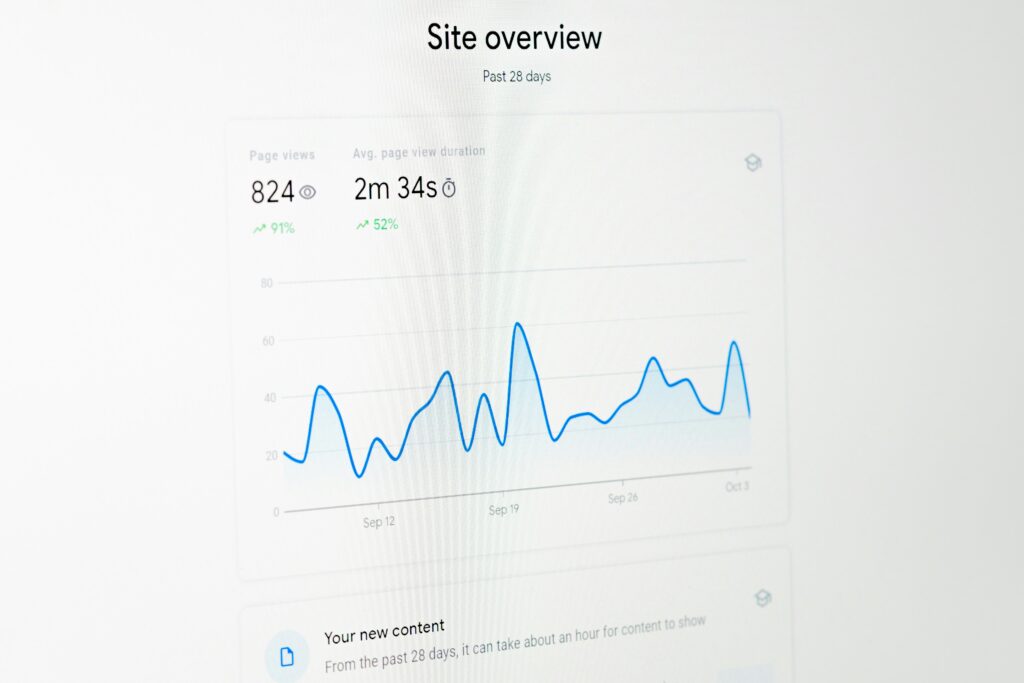
When you choose social channels, you also choose what data you can collect and reuse. That matters for tracking which platform is best for lead generation and comparing Facebook vs Instagram vs LinkedIn for business with real numbers.
- Use UTM tags on all key links from social to your website.
- Keep a central “message sheet” with offers, landing pages and core copy for each platform.
- Make sure landing pages are indexable, fast and tracked properly.
For ads and tracking structure, revisit Bazuru’s social media advertising guide.
For on-site checks, use the SEO audit process.
Reviews and trust on different platforms
Trust looks different on each platform, but it always matters. Social proof is a major reason people act on social media content, especially for retail and lifestyle purchases. For example, see coverage such as: https://www.theguardian.com/business/2025/feb/11/uk-shoppers-inspired-by-health-food-trends-on-social-media-lift-retail-sales.
Ideas by platform:
- Facebook – use reviews, recommendations and before/after posts. Share customer stories into local groups.
- Instagram – turn testimonials into story highlights and Reels; repost user-generated content with permission.
- LinkedIn – share case studies, client quotes and “before/after” business outcomes; use staff profiles for perspective, not just promos.
- TikTok – showcase genuine reactions, unboxings and “day in the life” content.
For more on community and social proof, see: https://bazuru.com/strategies-for-building-a-strong-community-on-social-media/
Common mistakes and quick fixes
Here are the most common mistakes small businesses make when choosing social media channels, plus quick fixes.
- Trying to be everywhere – fix this by choosing one or two main platforms for the next 90 days and pausing the rest.
- Copy-pasting the same post everywhere – adjust format and angle per platform.
- Ignoring LinkedIn for B2B – optimise company and personal profiles, post weekly from key staff and test simple lead magnets.
- Treating TikTok as “just for kids” – test short, useful videos before dismissing it.
- No link between social and website – always send key traffic to specific landing pages, not just the homepage.
For wider digital marketing issues beyond social, see Bazuru’s guide to common mistakes.
UK examples
A few simple examples of better platform choices:
- Local B2C brand (e.g. café or deli): primary Instagram for menus, stories and Reels; support via Facebook for events and local groups; occasional TikTok for behind-the-scenes content.
- Regional service business (e.g. accountants, consultants): primary LinkedIn for thought leadership; support via Facebook for local presence and retargeting; blog content shared to both.
- Specialist B2B supplier: primary LinkedIn company page plus founder profile; support via YouTube explainers embedded on the website.
Key idea: there is no universal “best social media platform”. It depends on offer, audience and journey.
What to measure
To know which social media platform is right for your business long term, you need a small, consistent measurement set.
Track per platform:
- Reach and impressions.
- Engagement rate (comments, saves, shares vs followers or reach).
- Click-through rate to your website.
- Leads, enquiries or sales generated.
Across all channels, compare:
- Cost per lead or sale for paid activity.
- Volume and quality of leads from each platform.
- Assisted conversions in analytics (channels that contribute early in the journey).
You can plug this into your wider analytics setup using the SEO audit framework here:
https://bazuru.com/how-to-perform-a-comprehensive-seo-audit-on-your-website/.
Monthly checklist
Use this monthly checklist to keep your B2B or B2C social media strategy on track.
- Review performance per platform and rank them by leads or sales, not followers.
- Check whether your audience or offers have changed and adjust platform roles if needed.
- Refresh bios and links so they still match your current positioning.
- Plan next month’s content around real results, not hunches.
- Test one small new format or feature (LinkedIn carousels, Instagram Reels, TikTok Live, etc.).
- Update your “message sheet” with best-performing hooks and offers.
Compliance and privacy
Choosing platforms also means choosing how you handle data. With third-party cookies fading and privacy rules tightening, first-party data matters more than ever.
Bazuru’s article “The Importance of First-Party Data in a Privacy-First World” explains why this affects every channel:
- Be clear about what happens when someone clicks through (tracking, cookies, forms).
- Make sure landing pages and forms respect GDPR, with clear consent for marketing.
- Avoid collecting sensitive data in DMs or comments; move to secure channels.
- Keep your privacy policy updated with the platforms and tracking tools you actually use.
For more depth on privacy and consent, see:
https://bazuru.com/navigating-data-privacy-in-digital-marketing-strategies-for-compliance-and-consumer-trust-uk-gdpr-focus/
Conclusion
Picking social media platforms for business isn’t about chasing trends. It’s about knowing whether you’re closer to B2B, B2C, or a mix; understanding where your buyers actually spend time; giving each platform a clear job in your customer journey; and measuring what each channel really delivers.
Start with one or two platforms, build a simple repeatable plan, and give it 90 days. Then adjust based on real data, not opinions. That’s how you find which social media platform is right for your business and stop feeling like you’re posting into the void.
Disclaimer
The information in this article is for general guidance only. Results will vary according to business, market and execution.
Get In Touch
If you’re searching for a digital marketing company to help drive results across paid ads, SEO, and social, get in touch: https://bazuru.com/contact/


