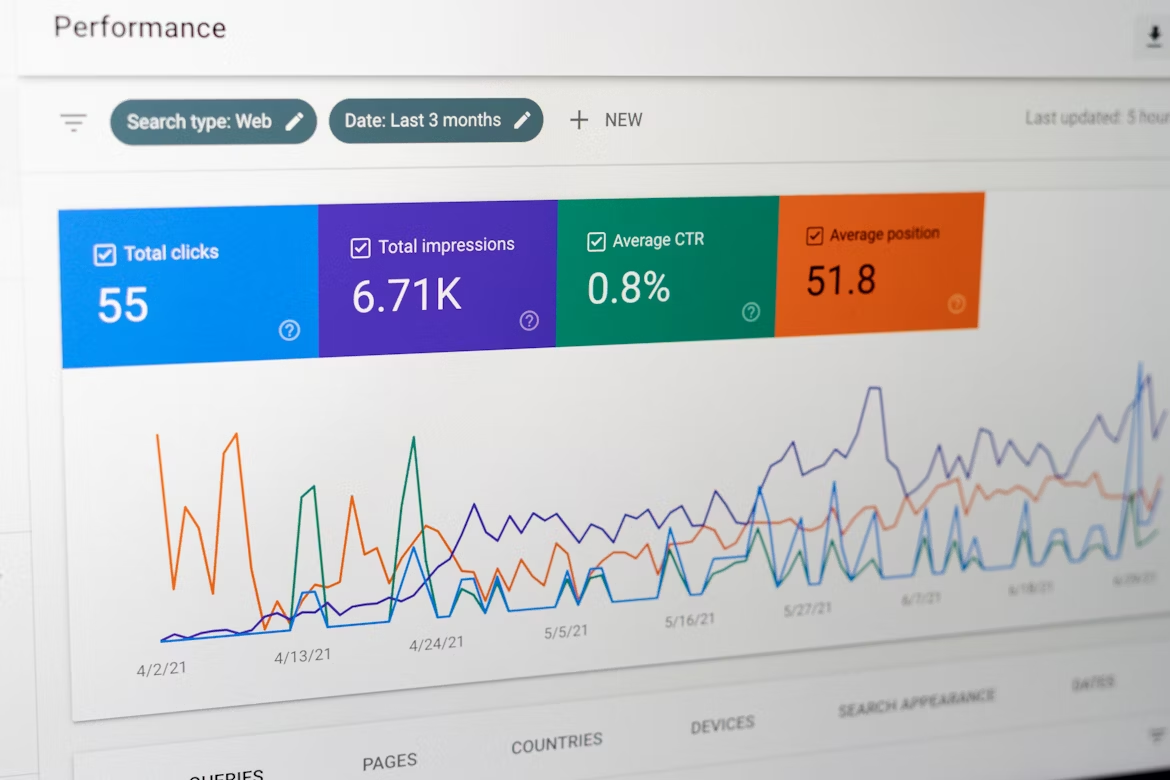
You want more qualified traffic, not just more visitors. An SEO audit shows where your site helps or hurts that goal. This guide gives you a simple, end‑to‑end process you can run in a day, then repeat each quarter. Map technical issues, content gaps, and off‑page factors. Leave with a clear action list that moves rankings and conversions.
What’s changed
Search moved from “publish and hope” to “measure and improve.” Google surfaces performance and UX signals across Core Web Vitals, crawls more efficiently, and gives clearer indexing feedback in Search Console. If your site is slow, messy, or hard to crawl, you waste budget and miss leads.
Key points:
• Google measures LCP, INP, and CLS as Core Web Vitals with recommended thresholds.
• The Page indexing report tells you which URLs are in or out, and why.
• A sitemap improves discovery for larger or complex sites and special files.
Why it matters for local businesses
You compete on relevance, trust, and speed. A tidy site that loads fast, answers real questions, and shows clear signals wins more local clicks and calls. If you rely on word of mouth and ads, auditing your site turns it into a steady lead source you control.
What to do this week
Block two hours. Run a lightweight audit and capture fixes in one list. Prioritise by impact and effort. Ship one improvement per day.
• Open Search Console and review “Page indexing” and “Core Web Vitals.”
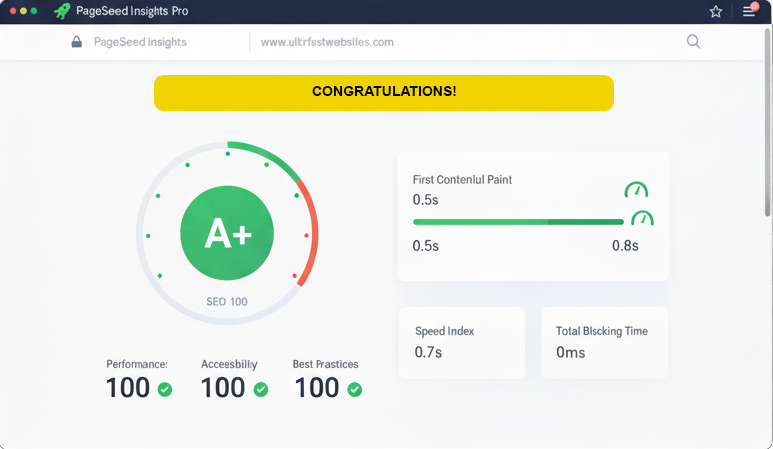
• Test speed and UX with PageSpeed Insights and your own device set.
• Check your main templates: home, key service, blog post, contact.
• Plan one fix to publish by Friday.
• Need hands on help?
SEO Services
We focus on both content and technical optimisation, helping your business attract more qualified leads and build a stronger online presence.
Digital marketing
Content marketing, Google Ads management, and more. Fearless, targeted, and creative digital marketing that drives leads home.
Website development
Scalable web development and custom web solutions. Our websites are built for an online legacy you’ll be proud of.
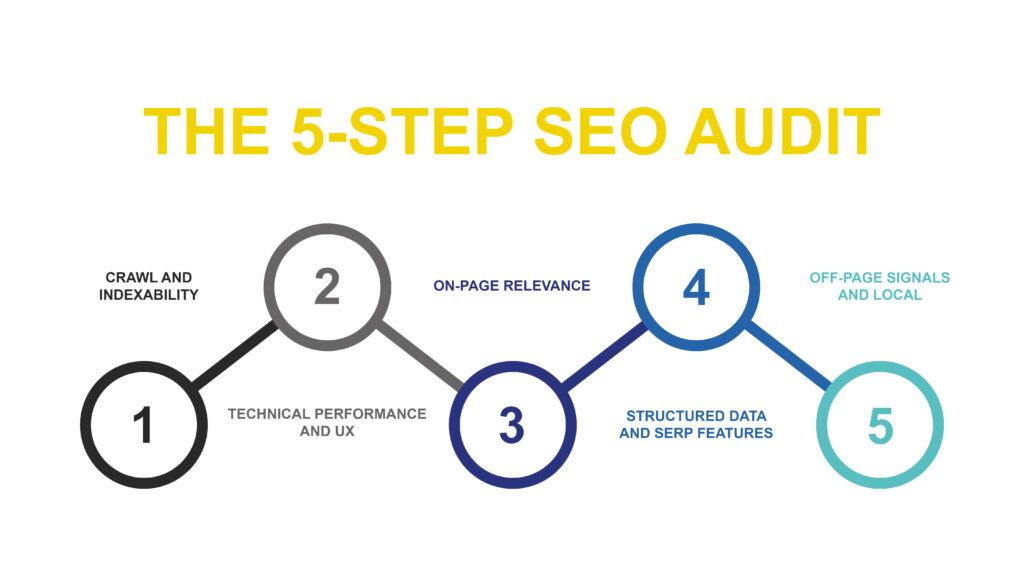
The 5‑Step SEO Audit
Step 1: Crawl and indexability
Start with “can Google find and keep the right pages?” Open Search Console. Check the Page indexing report for excluded URLs and reasons. Fix noindex, soft 404s, and redirect loops. Verify your sitemap exists, lists canonical URLs, and is submitted.
• Use Search Console to list “Not indexed” reasons and export them.
• Ensure intentional noindex only on pages you truly want hidden (test or thank‑you pages).
• Create or validate your XML sitemap and submit it. Keep only canonical URLs inside.
Step 2: Technical performance and UX
Speed and stability influence real‑world engagement. Measure LCP, INP, and CLS. Fix slow servers, heavy images, render‑blocking scripts, and layout shifts. Test on mobile and desktop with real devices. Prioritise templates, not just single pages.
• Target LCP ≤ 2.5s, INP < 200ms, CLS ≤ 0.1 for a good experience.
• Use the Core Web Vitals report for field data across URL groups.
Step 3: On‑page relevance
Map one primary query per page. Keep titles unique and focused. Write meta descriptions that earn clicks. Use clear H1s, logical sub‑headings, internal links, and helpful media. Align copy with search intent and calls to action.
• Check title tags and H1 alignment on top‑traffic pages.
• Add internal links from high‑authority pages to underperformers.
• Include FAQs that answer real questions to win long‑tail searches.
Step 4: Structured data and SERP feature
Structured data helps search engines understand your content and can unlock rich results. Add JSON‑LD that matches on‑page content. Validate with Google’s Rich Results Test. Follow the general structured data guidelines to stay eligible.
• Implement the right types (Organization, LocalBusiness, Product, FAQPage).
• Keep data honest, consistent, and visible on the page.
• Validate and monitor for errors after deployment
Step 5: Off‑page signals and local
Backlinks and consistent local signals build credibility. Audit referring domains, fix broken links, and seek relevant mentions. For local businesses, ensure NAP consistency and complete profiles across major platforms.
• Clean up citation inconsistencies and duplicates.
• Earn links via useful content, partnerships, and case studies.
• Keep reviews genuine and respond professionally.
Mark up facts / structured data
Give each key page a clear type. Business details on the homepage and contact page. Service pages with FAQPage where relevant. Product pages with Product markup. Keep it consistent with your visible content. Validate, then monitor.
Reviews & trust
Real reviews, case studies, and clear policies reduce doubt. Add genuine testimonials with names and context. Make contact details easy to find. Show accreditation and after‑sales support.
Common mistakes & quick fixes
• Accidental noindex on important pages. Fix tags and templates.
• Thin “service” pages. Expand with outcomes, proof, FAQs, and internal links.
• Slow media. Compress images and lazy‑load below the fold.
• Orphan pages. Add internal links from high‑authority pages.
UK examples
• Trades business: fixes duplicate service pages, adds LocalBusiness markup, earns a council supplier mention. Calls rise within 30 days.
• Holiday‑home retailer: compresses media, stabilises CLS on gallery pages, adds FAQs. Time on page and enquiry forms improve.
• Deli: adds recipe FAQs and internal links from blogs to catering services. Organic orders increase at weekends.
What to measure
• Indexed pages vs submitted sitemap URLs.
• Core Web Vitals status by template.
• Non‑brand clicks and impressions to key pages.
• Enquiry rate per page and per device.
• Assisted conversions where content helped before the lead.
Monthly checklist
• Review Search Console: indexing changes and CWV trends.
• Refresh one evergreen page with new data and internal links.
• Ship one technical improvement (e.g., image compression).
• Add one FAQ to a service page based on real queries.
• Re‑validate structured data after content or template changes.
• Submit updated sitemaps when you add sections.
Compliance & privacy
Run audits without collecting unnecessary personal data. If you use tracking or forms, follow UK GDPR and PECR. Provide a privacy notice and cookie control. Make content accessible with alt text, clear contrast, and keyboard navigation.
Conclusion + soft CTA
An SEO audit isn’t a one‑off. Fix crawl and indexability. Improve speed and UX. Align pages to real intent. Mark up your content and measure monthly.
Need Support?
SEO Services
We focus on both content and technical optimisation, helping your business attract more qualified leads and build a stronger online presence.
Digital marketing
Content marketing, Google Ads management, and more. Fearless, targeted, and creative digital marketing that drives leads home.
Website development
Scalable web development and custom web solutions. Our websites are built for an online legacy you’ll be proud of.
Get In Touch
If you’re searching for a digital marketing company to help drive results across paid ads, SEO, and social, get in touch: https://bazuru.com/contact/
Disclaimer
The information in this article is for general guidance only. Results will vary according to business, market and execution.